

Nathan Theodor was one of the most influential Canadian lawyers and judges of his era. His name is synonymous with integrity, dedication to the law, and contributions to the development of British Columbia’s legal system. In this article, we explore his career, major achievements, and his role in shaping legal practice in Canada, highlighting why he is remembered as an exceptional figure. More on vancouveriski com.
Childhood, Education and Civic Engagement
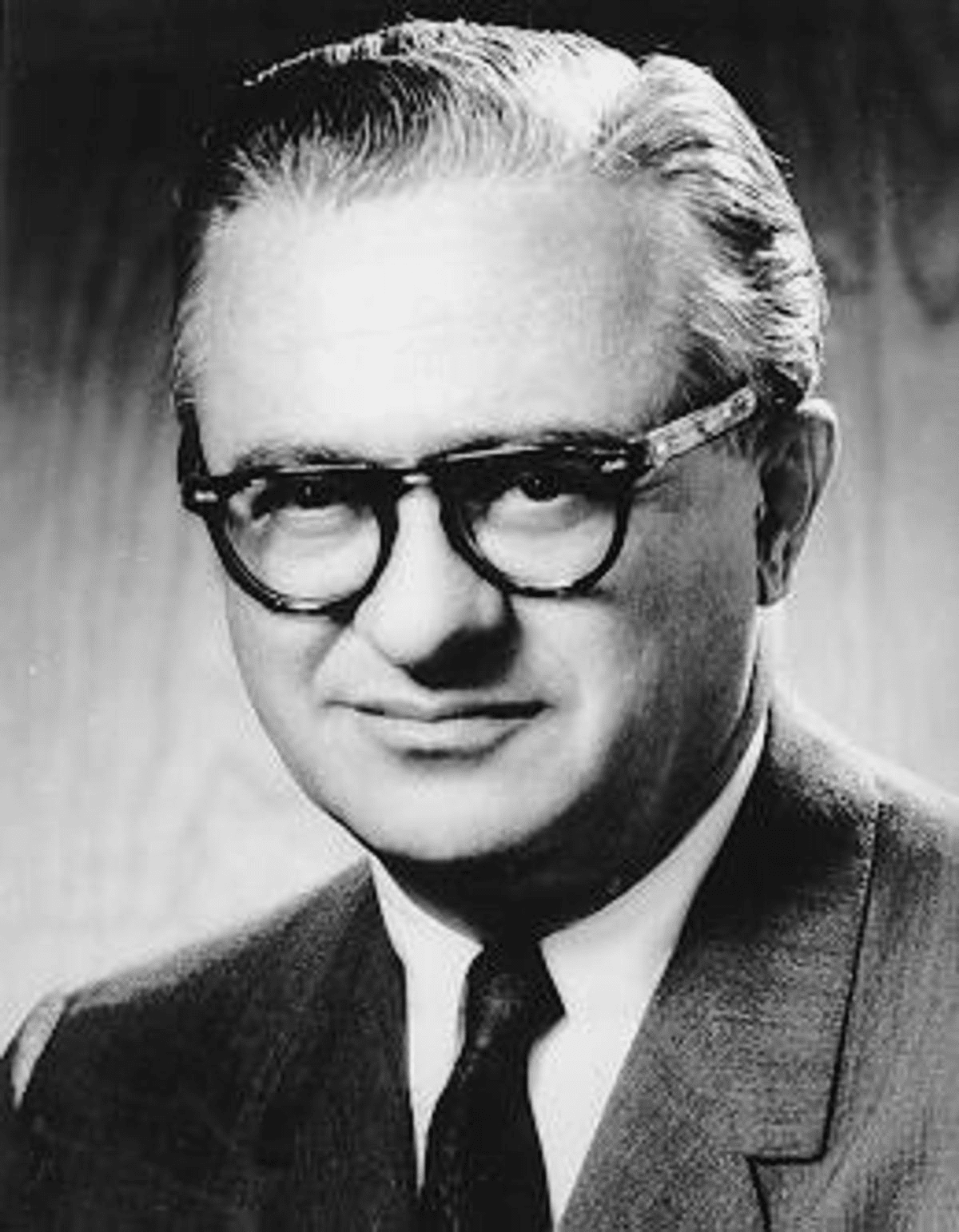
Nathan Theodor was born in Vancouver, and from an early age, he was fascinated by how society functioned. He loved observing how rules and laws impacted people’s lives and sought to truly understand the meaning of justice. It’s no surprise that he eventually became a distinguished judge.
Theodor pursued his education at leading Canadian institutions, studying law and social sciences, particularly at the University of British Columbia, where he earned a bachelor’s degree in history in 1934. Just three years later, he became an official member of the British Columbia Bar. Beyond mastering the rules and statutes, Nathan actively participated in student initiatives, debates, and various community projects. During this time, he developed skills in analysis, logical reasoning, and persuasive communication — skills that would later define his success as a lawyer and influential member of the legal community.
Outside of school, Theodor was heavily involved in civic life. He supported social initiatives and engaged with local organizations, which helped him understand the needs of the community and the people whose rights he would later defend in court. In the 1950s, for instance, he co-founded the Vancouver branch of the Canadian Civil Liberties Association and took on leadership roles with the Vancouver Civic Unity Association. Additionally, Theodor was deeply connected to the Jewish community: he served as president of the local B’nai B’rith, led activities for the Canadian Jewish Congress in Western Canada, and co-chaired the Council of Christians and Jews, fostering interfaith dialogue and understanding.
Judicial Career
Theodor’s career was remarkably diverse and influential. After completing his legal education, he began practicing in Vancouver, quickly gaining a reputation as a lawyer with deep legal knowledge and a dedicated advocate for his clients. From early on, he stood out for his attention to detail, analytical skills, and objectivity in decision-making. Colleagues recall that Theodor consistently sought to understand the essence of each case and anticipate the consequences of his decisions — a trait that would define his judicial work.
In 1963, Theodor was appointed a judge of the Supreme Court of British Columbia. He quickly earned a reputation as a fair and attentive judge who was unafraid to make difficult or high-profile rulings, often serving as a model for his peers. Five years later, in 1968, Nathaniel Theodor was appointed to the Court of Appeal of British Columbia. In this role, he reviewed and analyzed lower court decisions, a responsibility requiring not only legal expertise but also the ability to see the broader implications of rulings and their impact on the evolution of the legal system.
In 1973, Theodor reached another milestone: he was appointed Chief Justice of the Supreme Court of British Columbia. In this position, he played a key role in shaping provincial judicial practices and developing case law, actively introducing modern approaches to courtroom processes while emphasizing ethical standards, collaboration with colleagues, and mentorship for young judges and lawyers.
In 1979, Theodor became Chief Justice of all of British Columbia — one of the most powerful positions in Canada’s legal system. He continued overseeing major court cases, particularly in labor law and social protection, and worked on developing approaches that would influence Canadian legislation for years to come.

Dedication, Recognition and Academic Contributions
Theodor’s commitment, professionalism, and high ethical standards did not go unnoticed. He received numerous awards during his lifetime, including two of Canada’s highest honors: the Order of Canada and the Order of British Columbia, recognizing both his professional excellence and impeccable reputation. After his death in 1997, the University of British Columbia established a Chair in Legal History in his honor, acknowledging his significant contribution to legal scholarship and the education of future generations of lawyers.
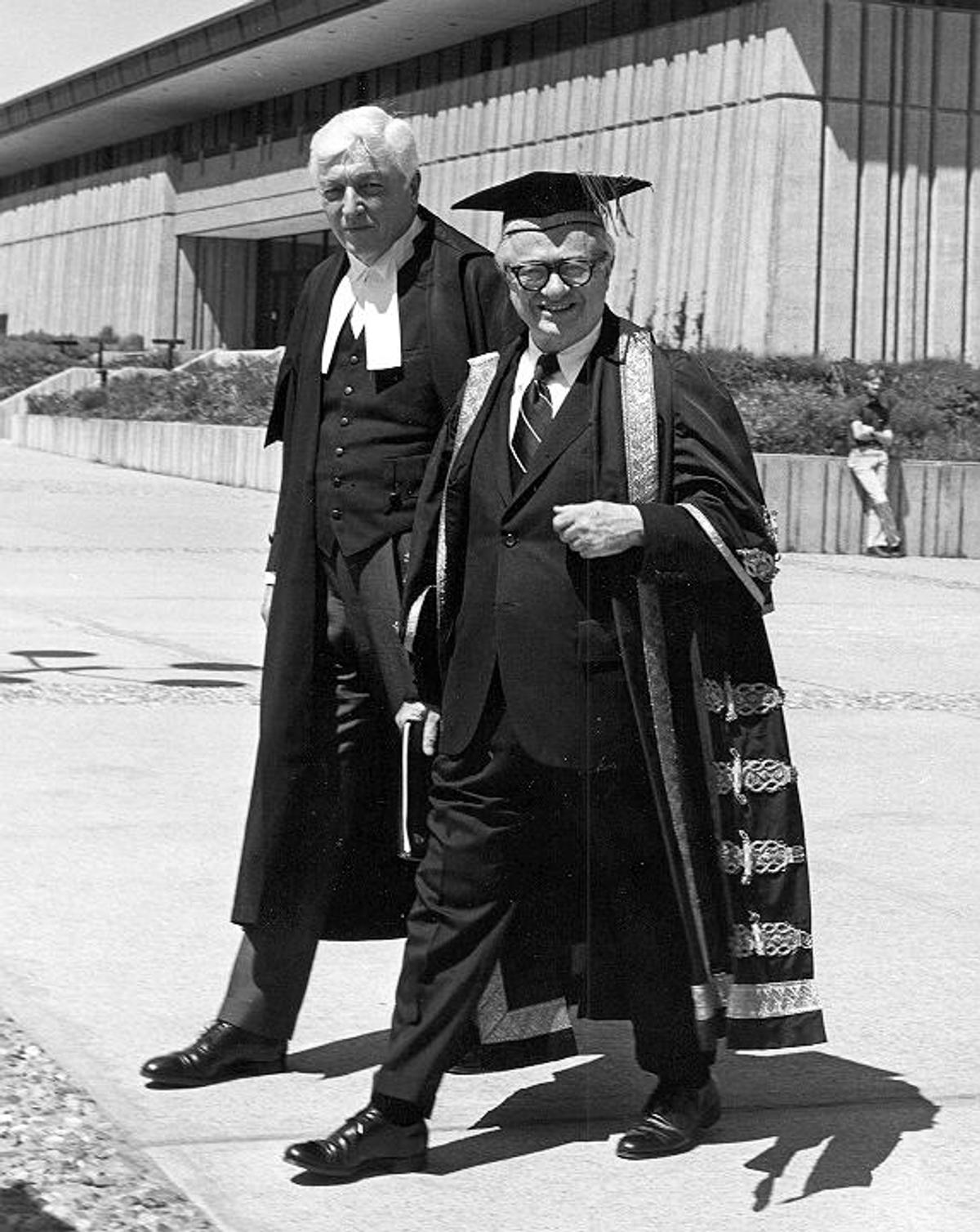
In Vancouver, Nathan was often seen in the lecture halls of the University of British Columbia. He readily gave lectures, conducted seminars, and shared practical examples from his experience. Students recall that he made complex legal concepts accessible and engaging, showing that behind every law were real people and stories, emphasizing that justice always matters more than formalities.

His articles in professional journals and commentary on legislative changes were read not only by students but also by practicing lawyers. Many used his writings as guides to prepare for court cases. Perhaps most importantly, Theodor taught young lawyers a sense of social responsibility alongside professional skill.
Legacy
Although Nathan Theodor has passed away, his influence is still evident today. Many of the principles he championed have become standard in courts across British Columbia. His decisions often reflected a desire to make legal processes transparent and accessible to the public, not just to lawyers, which is why his precedents in administrative and constitutional law continue to serve as reference points.
Theodor’s impact extended beyond the courtroom. Believing that the law should serve the community, he actively participated in public life. He served as president of the local B’nai B’rith, supporting the Jewish community and charitable initiatives. He led the Canadian Jewish Congress in Western Canada and co-chaired the Council of Christians and Jews, fostering dialogue among religious communities.
He also contributed to university boards and civic commissions focused on legal education and youth development. For many, this work was as important as his judicial duties, shaping honest, intelligent, and responsible future community leaders.
Sources: