

The Canadian International Dragon Boat Festival is an annual event that celebrates dragon boat racing and Chinese culture in Vancouver. Borrowed from a traditional Chinese holiday that falls on the summer solstice, the festival is considered the largest of its kind in North America, attracting nearly two hundred crews from around the world. Read more at vancouveriski.
The Festival’s Origins in Chinese Culture
In China, the Dragon Boat Festival is celebrated on the fifth day of the fifth month of the Chinese lunar calendar, which lands in late May or early June on the Gregorian calendar. It was traditionally believed that this was a time of natural disasters and increased illness, when five poisonous creatures would emerge from their hiding places.
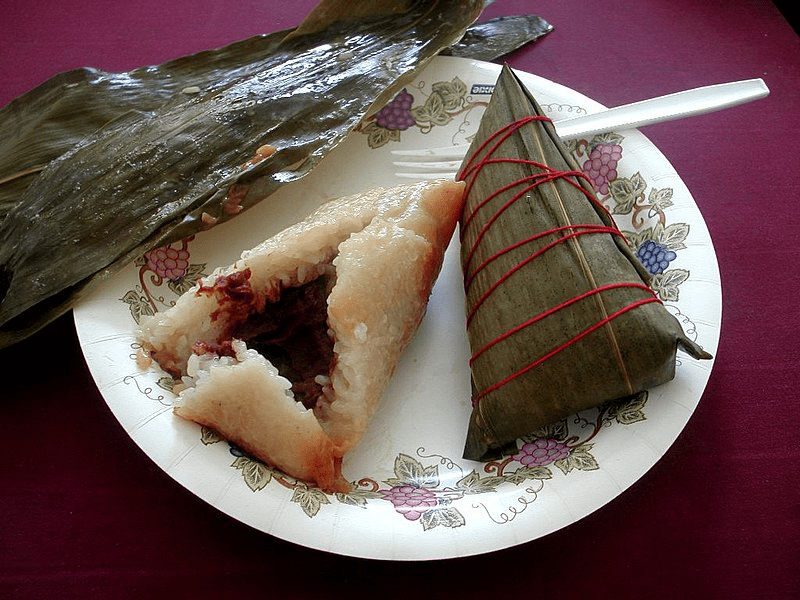
While many stories explain the origin of the boat races, the most ancient one involves the famous Chinese poet and politician, Qu Yuan. He served as a minister in the state of Chu but was falsely accused of treason by jealous officials. Disillusioned with the Chu monarch, he took his own life by drowning in the Miluo River. According to legend, his supporters raced out in boats to save him or retrieve his body. When they couldn’t find him, they threw handfuls of rice into the river to prevent the fish from eating his body. Since then, people have commemorated the day of his death with dragon boat races and by preparing zongzi—a traditional dish of sticky rice.
The Birth of Racing in Vancouver
The arrival of dragon boat racing in Vancouver is tied to the 1986 World Exposition on Transportation and Communication, held in the city. For the event, six wooden dragon boats were brought over from Hong Kong. That same year, the Chinese Cultural Centre of Vancouver purchased three more boats and introduced the first-ever dragon boat festival to Canadians on False Creek, offering lessons for beginners. The festival’s popularity exploded. In its first few years, about thirty teams participated, but by 1990, that number had surged to over one hundred. In 1989, the festival went international, with the first visiting teams being a women’s crew from Australia and a men’s crew from England. In the years that followed, participants came from Indonesia, Japan, Germany, China, the United States, and beyond.
How the Festival Unfolds
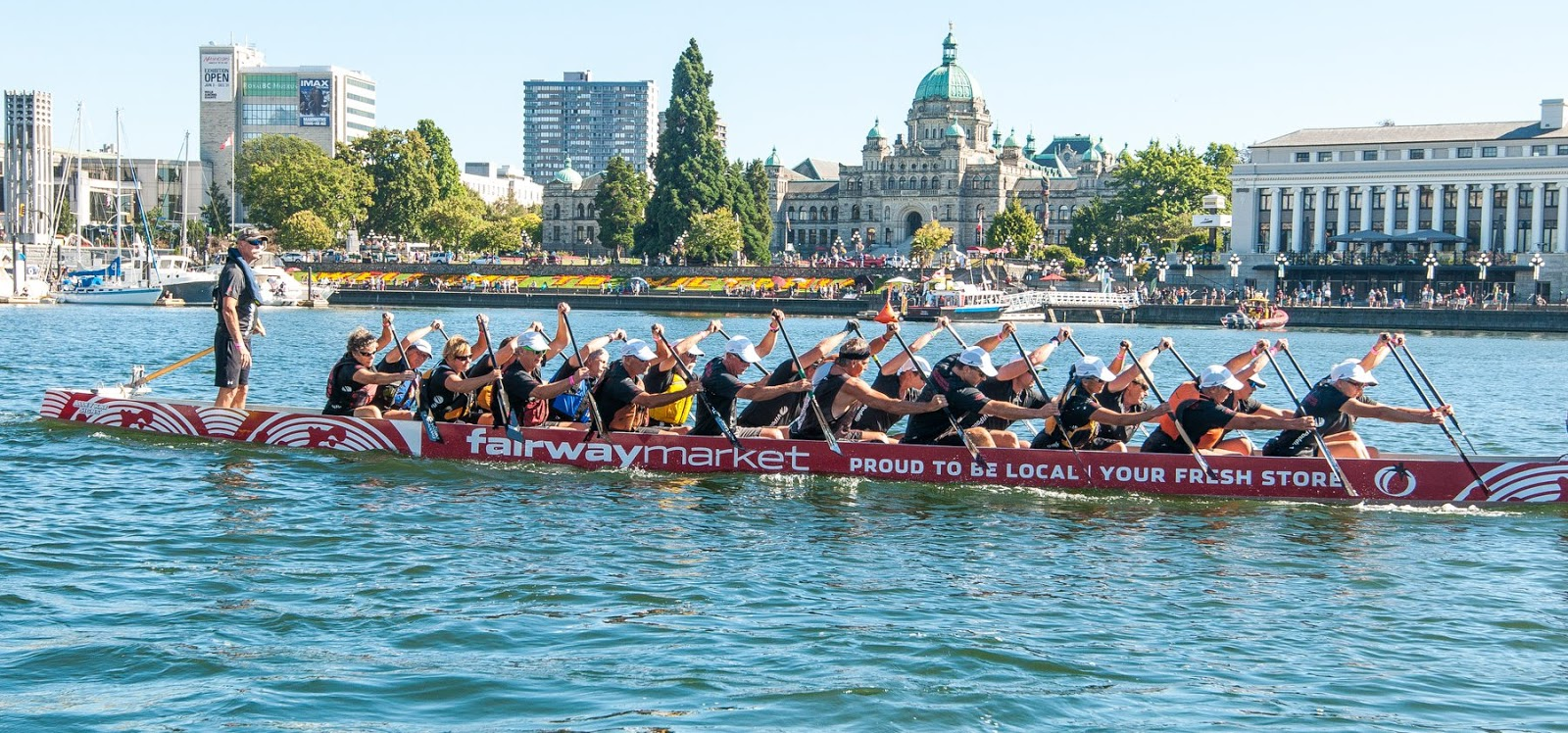
Anyone can take part in the dragon boat races. Traditionally, mixed and women’s teams compete in 500-metre sprints. The 18 fastest teams then advance to the challenging 2,000-metre race that includes turns. Junior teams have their own separate 500-metre races and a dedicated final. A separate competition, the International Cup, is also organized for teams visiting from other countries.
While all race participants pay an entry fee, spectators can watch the action for free. Beyond the races, the festival features two main pavilions: one showcasing Chinese culture and another dedicated to local Indigenous cultures. Here, visitors can sample a variety of ethnic foods and drinks, enjoy the family zone with kids’ activities, browse art exhibits, take part in a traditional tea ceremony, watch circus performers, or listen to live music. You can also see the original teakwood boats from the 1986 Expo up close.
The festival’s primary goal is to reflect the city’s cultural diversity. It aims to unite people of all ages and backgrounds, fostering intercultural harmony and understanding while ensuring everyone has a wonderful time.