

Liz Magor is one of Canada’s leading contemporary artists, whose body of work spans sculpture, installations, and photography. Born in Winnipeg on April 11, 1948, Magor established her place in the art world starting in the 1970s. In 1984, she represented Canada at the prestigious Venice Biennale, and has since won numerous acclaimed awards, including the Governor General’s Award in 2001, the Audain Prize in 2009, and the Gershon Iskowitz Prize from the Art Gallery of Ontario in 2014. More on this at vancouveriski.
She is one of Vancouver’s most prominent artists, whose work is not only captivating but also forces viewers to re-examine familiar objects and their significance in our lives. Her ability to transform simple, everyday items into profound, multilayered works of art makes Liz a true master—one who isn’t afraid to blur the lines between reality and fabrication.
Early Life and Education
Liz Magor was born into a large family and spent her childhood in Winnipeg before the family moved to Prince Rupert, British Columbia, in the early 1950s. From a young age, she was an avid reader, captivated by the world of imagination and fairytales. She was also fascinated by the creation of objects and working with different materials, which later inspired her to develop unique sculptures and drawings.
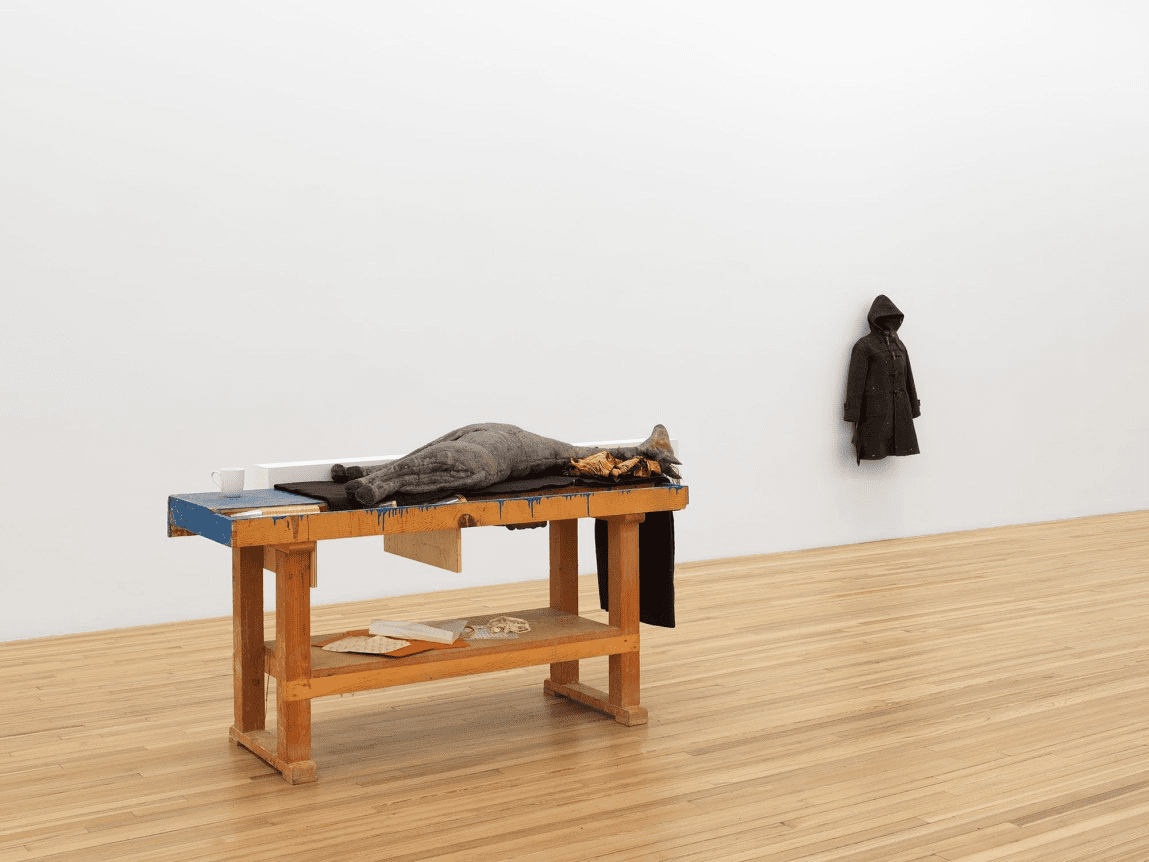
Magor began her art education in 1966 in the Fine Arts program at the University of British Columbia. In 1968, she travelled to New York to study at the prestigious Parsons School of Design. She soon returned to Canada and completed her studies at the Vancouver School of Art (now Emily Carr University of Art and Design) in 1970.
The Launch of Her Career
After graduation, Liz Magor remained on Canada’s West Coast, where she actively explored the landscapes of British Columbia’s Lower Mainland. Her early works, such as Bird Nest Kits (1975), Compost Figures (1978), and A Concise History (1979), combined natural elements with human-made objects. They explored themes of organic and inorganic interaction, as well as processes of production and reproduction. One of her most famous early pieces was The Birdnester (1970)—an installation that brought natural flora and fauna into the sterile space of the gallery. In later projects, like Four Boys and a Girl (1979), the artist created a series of identical objects, masterfully imitating natural forms. These works sparked a discussion about mass production, marketing, and the methods used to present sculptural pieces.
Ascension and Transformation: A New Creative Phase
The 1980s were a turning point in Liz Magor’s career. After moving to Toronto in 1981, she began collaborating with the renowned Ydessa Gallery, which opened doors for her onto the international stage. Her work was featured at prestigious events like the Sydney Biennale (1982), the Venice Biennale (1984), and Documenta 8 in Germany (1987). This success led to a new creative re-evaluation for Magor: she shifted from depicting the natural world to exploring the emotional and social significance of objects, and their ability to hold personal and collective histories. A landmark work from this period was Dorothy, A Resemblance (1980-1981). This installation showcased the life of a woman named Dorothy through ordinary items: books, light bulbs, candles, and matches. All were cast in lead and placed on four steel tables. The weight of these objects symbolized the changes in Dorothy’s body mass at different stages of her life—a powerful metaphor for the passage of time.

The character of Dorothy reappeared in the artist’s subsequent works—The Most She Weighed/The Least She Weighed (1982) and I Have Always Weighed 98 Pounds (1983–84). These projects explored how physical weight can serve as a symbol for the human body. At the same time, the artist began actively using photography as part of her installations, combining it with sculpture in works like Four Notable Bakers (1983). In 1989, Liz presented the photo series Field Work—an archive of 1960s snapshots depicting hippies in traditional moccasins and feathered headdresses preparing food over a campfire. This work drew a wave of criticism for allegedly incorrect or inappropriate portrayals of Indigenous culture. Disappointed by this reaction, Liz Magor left Toronto in 1993 and returned to the West Coast to find a new space for her creativity.
New Projects That Blur the Line Between Reality and Fiction
After a series of solo exhibitions across Canada in the mid-1990s, the artist returned to Toronto to present the installation Messenger (1996) in the Sculpture Garden—a work later re-installed at the Vancouver Art Gallery in 2002. For Messenger, Magor created a reconstruction of an old, single-room wooden cabin, equipped with a stove, a cot, shelves for tools, simple household items, and fuel. Like most of her later installations, this work creates a unique space between imitation and reality—where true objects are taken out of their usual context and combined with fabricated ones, causing an effect of perceptual tension.
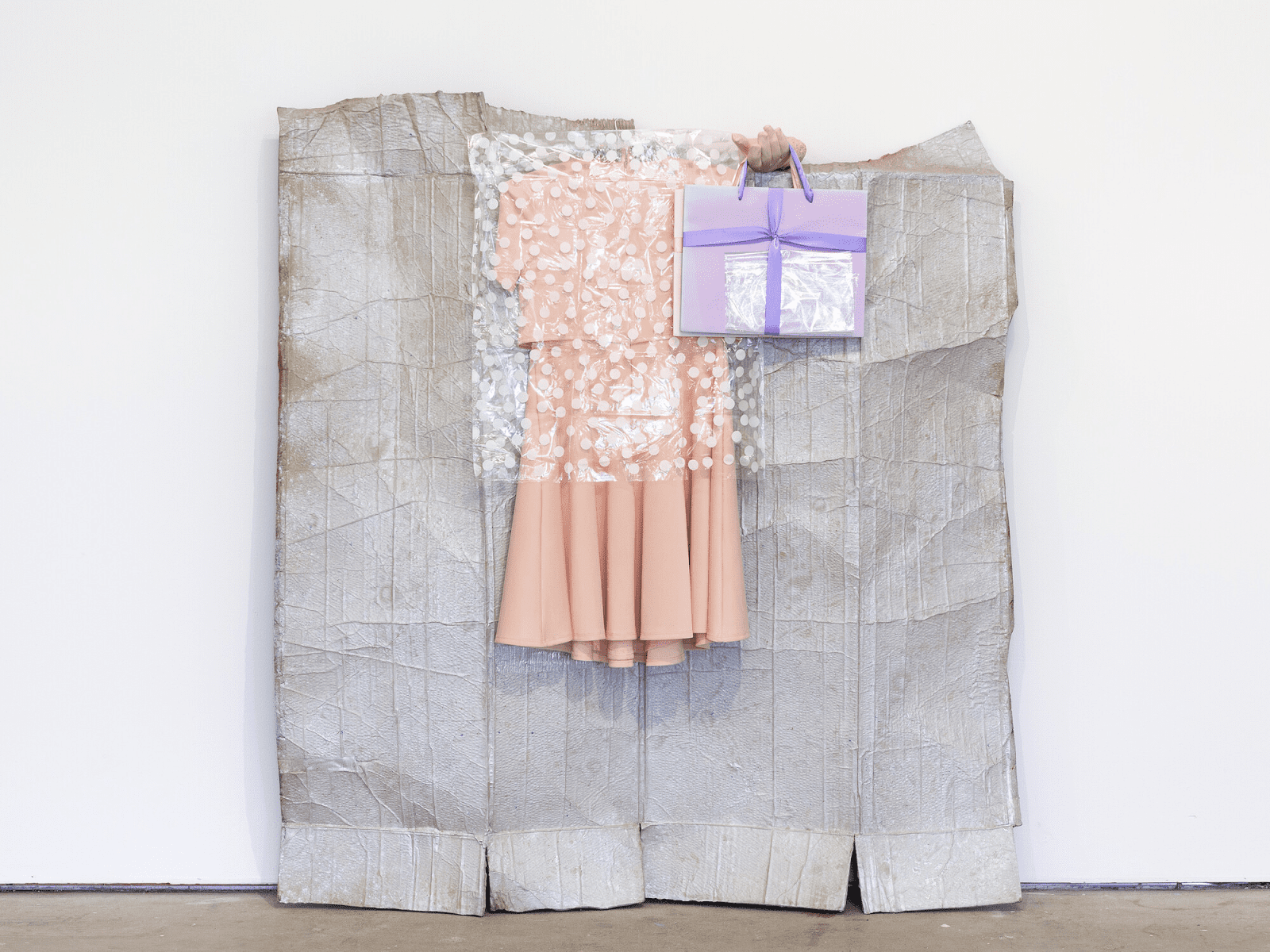
Liz continued her exploration of narrative practices, blending the real and the surreal in works where realistically cast objects are paired with genuine products. This manifested in projects like One Bedroom Apartment (1996), Stores (2000), Chee-to (2000), and Double Cabinet (blue) (2000). These works earned her the York Wilson Endowment Award in 2000 and the prestigious Governor General’s Visual Arts Award in 2001. That same year, she was one of ten artists selected to participate in Elusive Paradise: The Millennium Prize—a competition and exhibition organized by the National Gallery of Canada.
In 2002 and 2003, the Vancouver Art Gallery and The Power Plant in Toronto presented large-scale survey exhibitions of her work. The artist also participated in the major project Baja to Vancouver: The West Coast and Contemporary Art, which was exhibited in public galleries across the West Coast between 2003 and 2004.
Awards and Accolades
- York Wilson Endowment Award (2000);
- Governor General’s Award in Visual and Media Arts (2001);
- Audain Prize for Lifetime Achievement in the Visual Arts (2009);
- Gershon Iskowitz Prize (2014).
Creative Approach
The artist’s sculptural works explore the essence of familiar and ordinary objects, which she reinterprets and presents in new contexts. For example, the artist has created precise replicas of food products and their packaging, as well as other objects such as driftwood, logs, stumps, and clothing. As a studio artist focused on material objects, Magor emphasizes process and materiality in her work, thereby underscoring the distinction between reality and simulation.
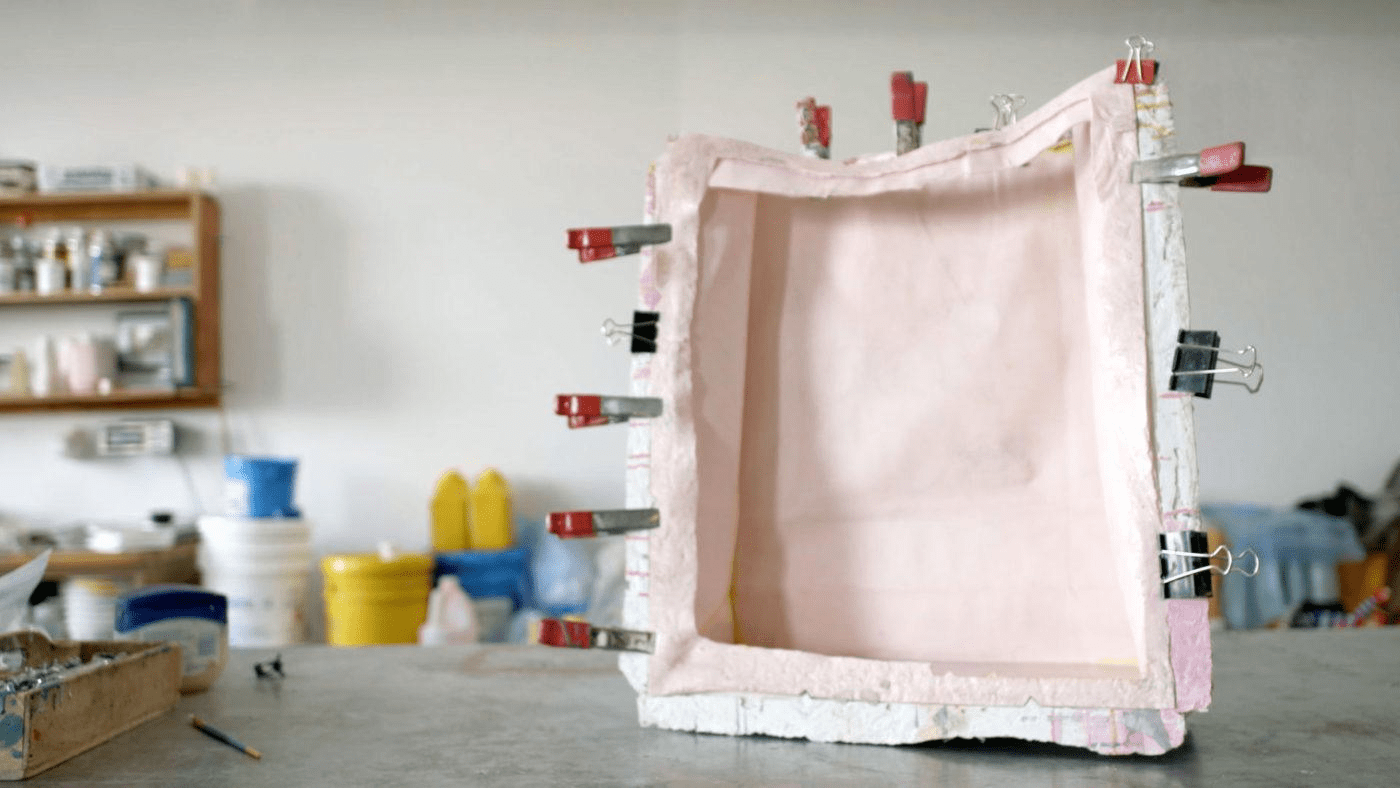
In her early works, she utilized molding and casting techniques to produce copies of coats, trays, and cutlery (which she refers to as “practical objects”) to serve as containers for other materials—such as candy or cigarettes. Such creations reflect an accumulation of discarded items and human weaknesses that appeal to our common instincts, and they raise questions about the social and emotional life of objects. Additionally, in her early works, the artist engaged in the repurposing of used clothing and old wool blankets, which she also categorizes as “practical objects.”