

Philip Owen is remembered in Vancouver not only as a former mayor but as a man who dared to change the rules of the game. Born and raised in the heart of the city, he knew Vancouver from childhood. In 1993, Owen became Vancouver’s 36th mayor and held the position for nearly a decade, shaping the lives of tens of thousands of residents.
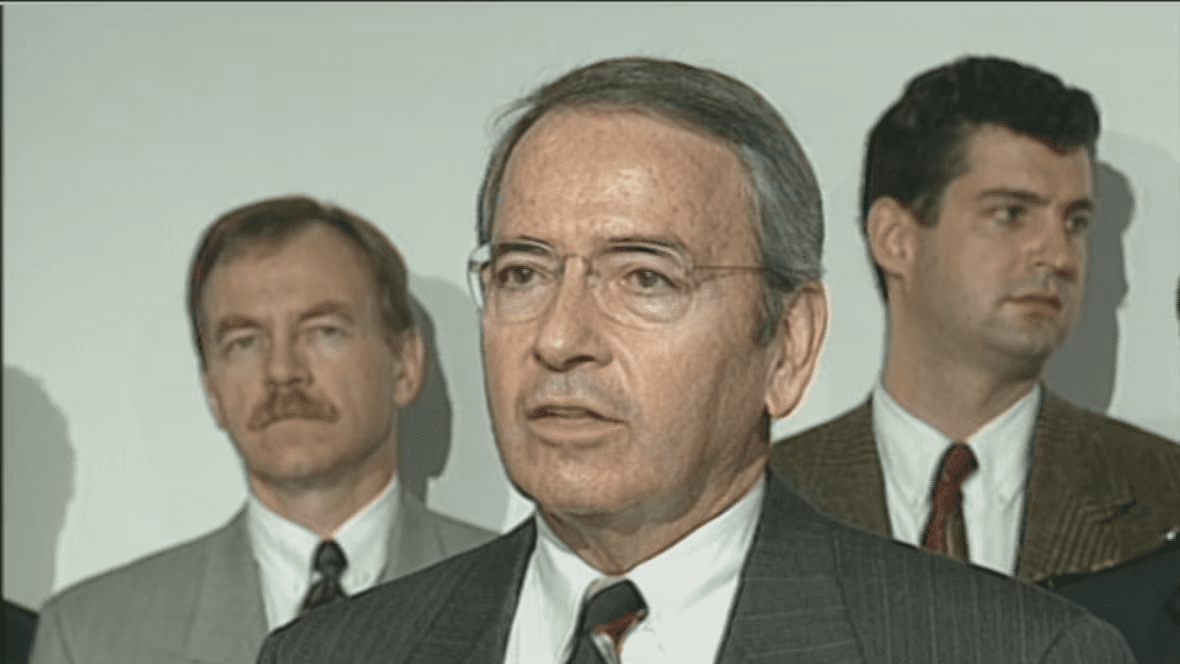
Owen never shied away from tough decisions. Under his leadership, the city experienced rapid transformation: from revitalizing downtown and opening Library Square to laying the groundwork for the 2010 Winter Olympics. But he is most remembered for confronting the drug crisis in the Downtown Eastside not as a crime issue but as a health issue. Thanks to his bold approach, Vancouver became the first city in North America to open a legal supervised injection site—Insite. More on vancouveriski com.
Childhood and Early Career
Philip Owen was born in Vancouver into a family where public service was almost a tradition. His father, Walter Owen, served as Lieutenant Governor of British Columbia from 1973 to 1978. Growing up, Philip saw how local government worked, giving him a deep understanding of the city’s challenges. He studied at Prince of Wales Secondary School and later attended New York University, gaining business knowledge and international experience.
Before politics, Owen was an entrepreneur. In his twenties, he launched a textile business that expanded to Toronto and New York. He also managed Eaton’s department store in Vancouver but quit rather than fire a senior employee who was close to retirement. That moment revealed his strong character and genuine care for people. Owen was active in Vancouver’s cultural life as well—he served as director of the Vancouver Art Gallery, chaired the Downtown Vancouver Association and St. George’s School, and worked with charities ranging from the Salvation Army to the Vancouver International Airport.
Political Career
Owen’s political journey began in 1978 when he was elected to the Vancouver Parks Board. He later served seven years on city council, gaining experience and developing his vision for Vancouver. In 1993, he became mayor.
During his time in office, the city saw major changes. The opening of the Vancouver Public Library’s Central Branch in 1995 was a milestone in cultural development. The revitalization of the Woodward’s complex, completed in 2009, breathed new life into the city’s historic core by blending housing, retail, and cultural space. Under Owen, the downtown population nearly doubled—from 40,000 to 80,000—and housing policies underwent a major transformation.
The Four Pillars Approach
By the mid-1990s, Vancouver faced a public health emergency. The Downtown Eastside was overwhelmed by injection drug use, leading to HIV/AIDS and hepatitis C outbreaks. At first, Owen—like many others—was skeptical of reform. Most politicians believed drug users should be punished, not helped. But seeing people die of overdoses changed his mind. He realized criminal enforcement alone could not solve the problem. It had to be treated as a health crisis.
That’s when Vancouver embraced the Four Pillars Approach, a model borrowed from Switzerland, built on prevention, treatment, harm reduction, and enforcement. It was a groundbreaking shift toward compassion and public health.
The highlight of this strategy was the 2003 launch of Insite—the first supervised injection site in North America. Here, users could inject drugs under medical supervision, access counseling, and get referrals for treatment. The results were striking: in its first 20 years, Insite staff intervened in nearly 12,000 overdoses and referred over 70,000 people to treatment. Not a single person died of an overdose inside the facility.
Criticism and Controversy
Owen’s decisions were not always popular. His support for harm reduction and the Four Pillars model sparked backlash within his own party, the Non-Partisan Association (NPA). Many colleagues felt he was too lenient on drug users. As a result, Owen lost party backing for future campaigns. The NPA even lost the 2002 municipal election, regaining power only in 2005.
He also faced criticism during the investigation of serial killer Robert Pickton. When dozens of women disappeared in the Downtown Eastside, Owen initially said there was no evidence of a serial killer. His comments were seen as dismissive, especially toward missing sex workers. Years later, in 2011, Owen issued a public apology in major Canadian newspapers for downplaying the crisis.
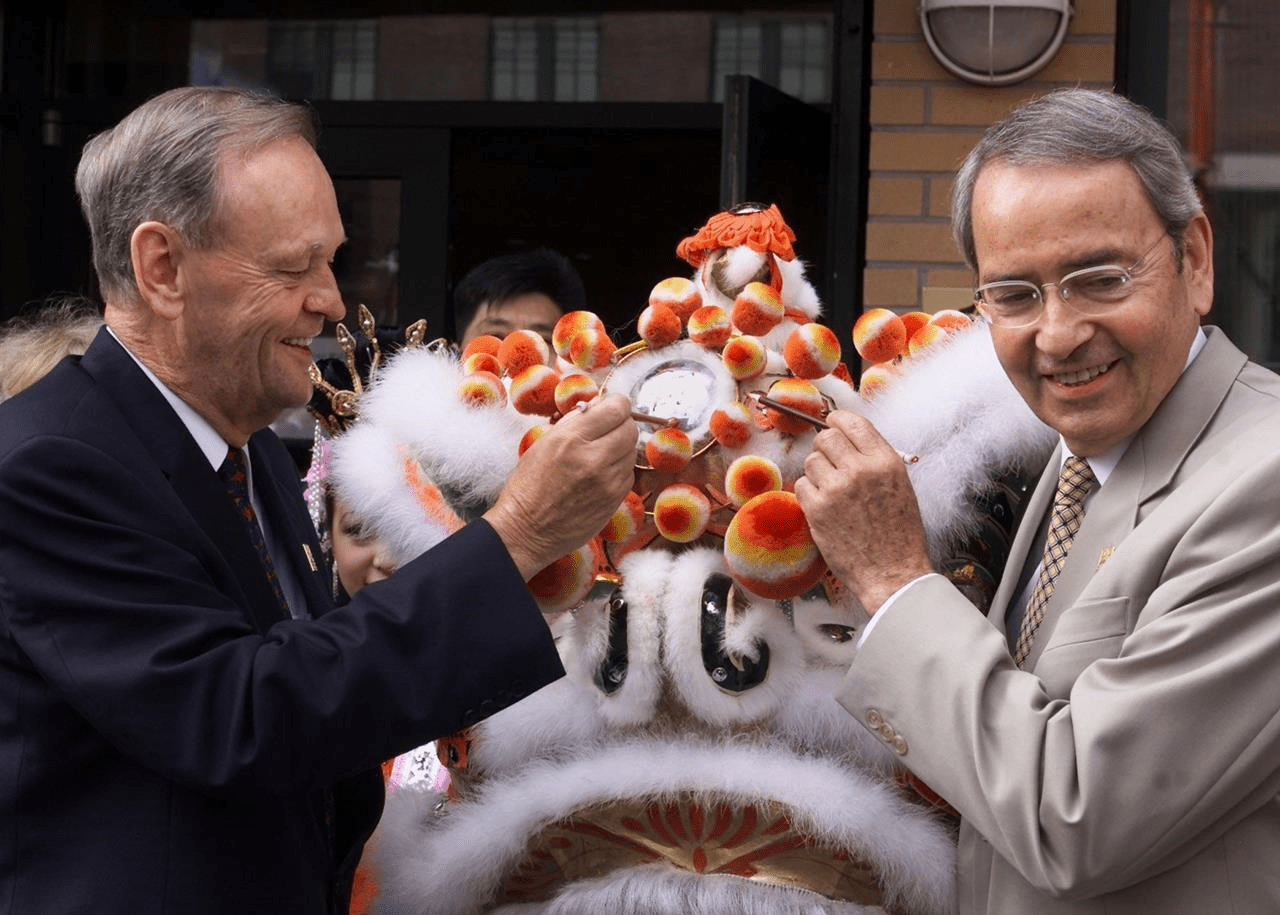
On a personal level, his stance cost him friendships. Some longtime acquaintances distanced themselves from him and his wife Brita because of his support for drug policy reform. Still, Owen remained committed to saving lives, even when it came at a personal cost.
Recognition and Legacy
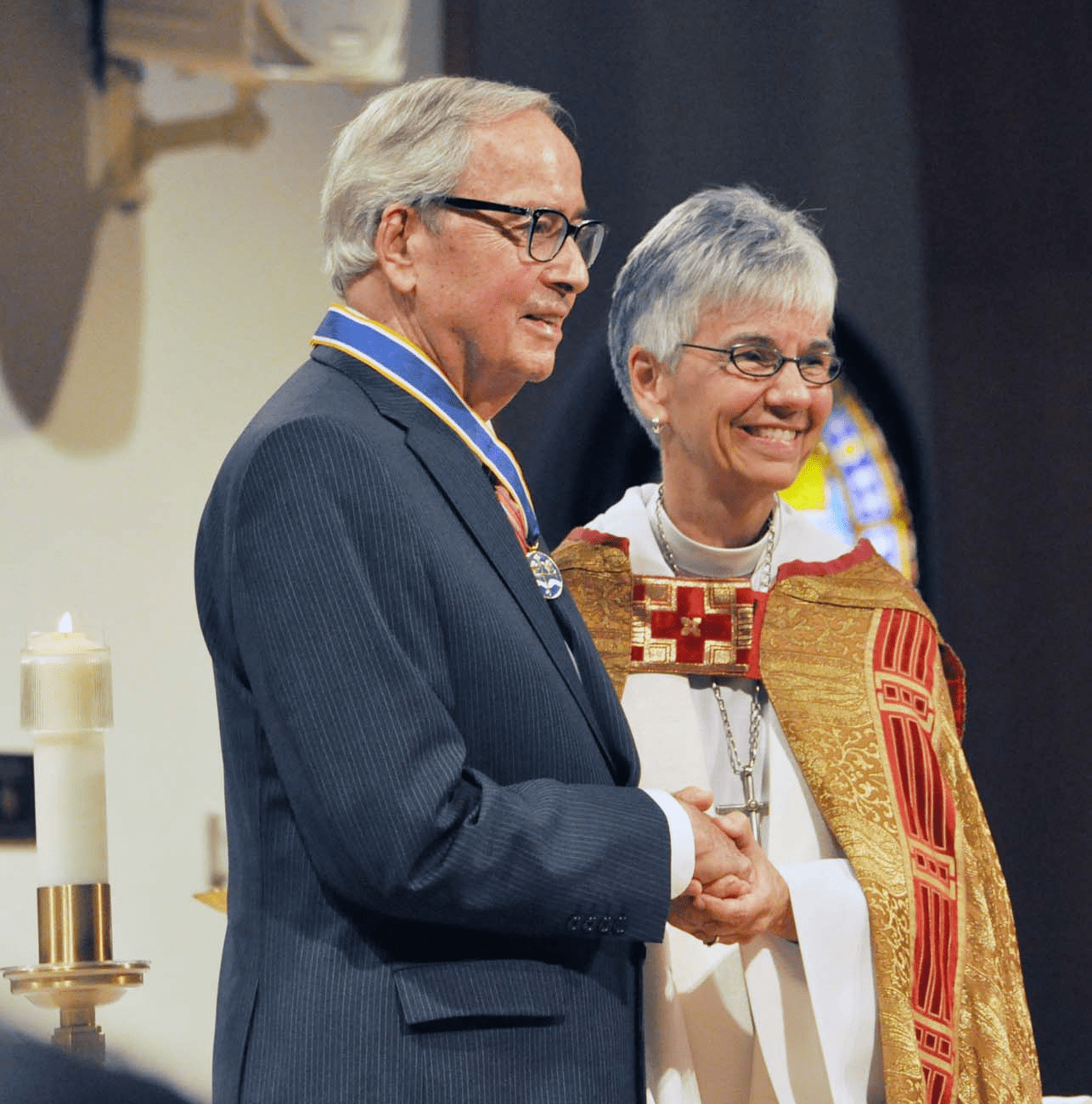
Owen received many honors for his work. In 2008, he was appointed to the Order of Canada, one of the nation’s highest awards. In 2014, he was recognized with the Order of the Diocese of New Westminster for decades of service to civic and church life.
But his greatest legacy is lasting change. The University of British Columbia created the Philip Owen Professorship in Addiction Medicine, training a new generation of specialists. This contribution to public health reform will benefit Canadians for decades to come.
Owen also left a mark on Vancouver’s city life—through housing policy, cultural development, and civic projects. His leadership showed that politics, at its best, can save lives.
He shared his experience internationally as well, speaking at drug policy conferences in Canada, Europe, the U.S., and even Afghanistan. His evidence-based, compassionate approach became a model for other cities and countries seeking humane solutions to addiction.
Sources:
- https://www.vancouver.anglican.ca/news/philip-owen-cm-odnw-awarded-honorary-degree-by-vst
- https://magazine.alumni.ubc.ca/2020/give-ubc/four-pillars-legacy-philip-owen-professorship-addiction-medicine
- https://thetyee.ca/News/2012/03/21/Vancouver-Drug-Policy
- https://vancouver.citynews.ca/2021/10/01/vancouver-mayor-philip-owen-obit