

In the heart of Vancouver, amidst its diverse neighbourhoods and cultural traditions, an organization has been uniting art lovers since 1946. This is the Community Arts Council of Vancouver (CACV), the first organization of its kind in North America. It was founded by two women—Jean Russell and Elena Scott—who wanted to make culture accessible to all city residents. They were dedicated to the idea that art should not be exclusive to people of a certain social status or ethnic background, but for anyone who wants to express themselves or simply enjoy creativity. More on vancouveriski.
Since then, CACV has become a vital part of Vancouver’s cultural life. It has contributed to the creation of renowned institutions like the Queen Elizabeth Theatre, the Vancouver Museum and Planetarium, and the first Vancouver International Film Festival. The organization also actively supports local artists and organizes festivals. In the following sections, we will delve into the history of CACV, its mission and values, its main programs and initiatives, and its impact on the residents of Vancouver and Canada as a whole.
History and Founding of CACV
From the very beginning, CACV was established in response to the need for organized support for local artists and cultural initiatives after the Second World War.
CACV was founded by two women: Jean Russell and Elena Arkell. They invited Virginia Lee Comer, an art consultant from New York, to develop a community arts plan aimed at strengthening community spirit in the post-war period. The organization officially launched on October 29, 1946, in a hall at the Mayfair Hotel in Vancouver. The first board members included Ira Dilworth (Chair), Nora Gibson (Secretary-Treasurer), Jean Russell, Elena Arkell, Alex Walton, Howard Goodwin, and Dr. Norman MacKenzie (President of the University of British Columbia).
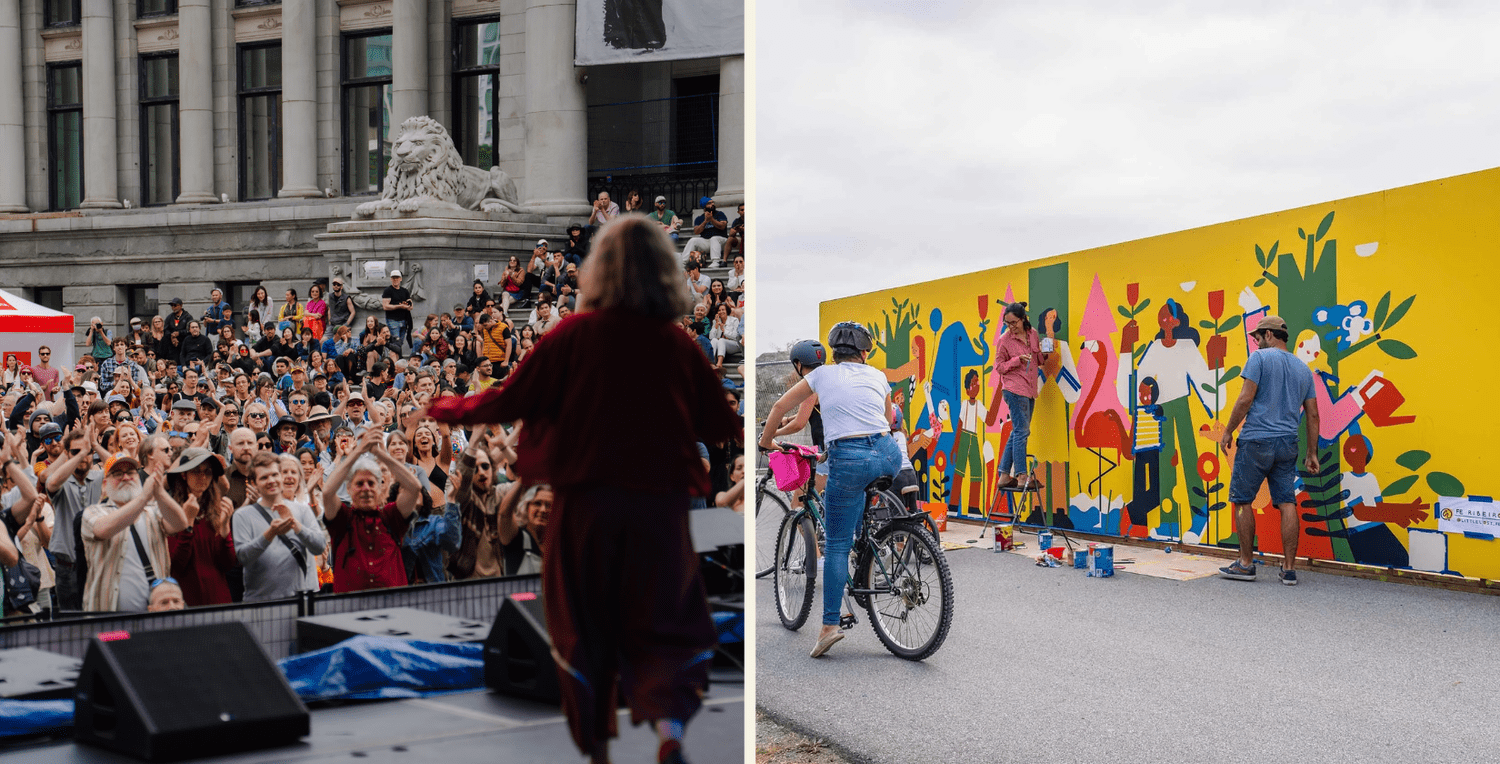
In 1947, CACV began work on its first project. Acting and dance classes were organized for children in four community centres. At the end of the course, performances were held, featuring over 120 children. This initiative eventually evolved into a separate campaign: the Vancouver Children’s Theatre.
In 1949, the council also held a major exhibition called ‘Design For Living.’ It took place in a Vancouver art gallery and showcased four modern homes decorated with works by local artists. The event attracted over 14,000 visitors and became a significant catalyst in shaping the modernist architectural style on Canada’s West Coast.
Mission and Core Values of CACV
The Community Arts Council of Vancouver has always aimed to build a strong cultural community through the arts. In addition to making creativity more accessible to all Vancouver residents—regardless of age, social status, or ethnic background—the community also focused on supporting talented individuals. They helped both emerging and professional artists and fostered community arts initiatives. Thus, CACV’s core values include inclusivity, transparency, quality, support for diversity, and mutual respect for Indigenous peoples.
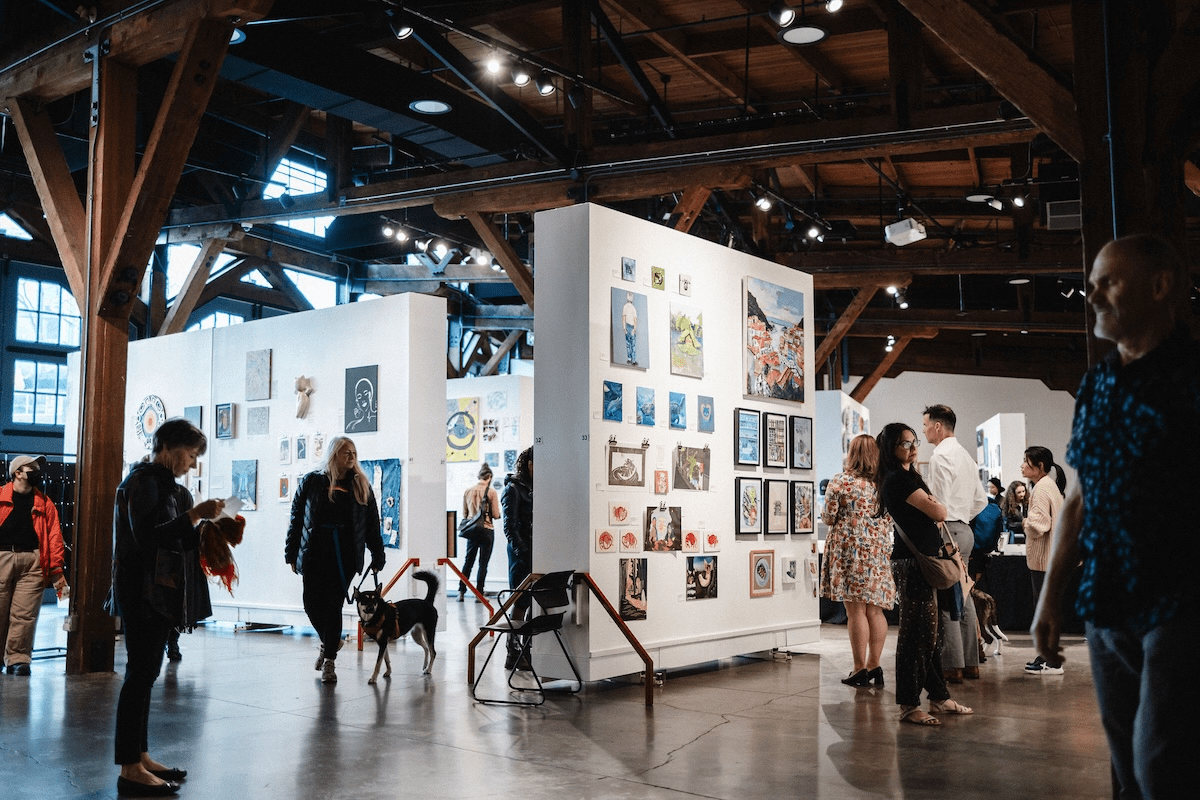
Furthermore, CACV actively promotes principles of social justice. For example, the organization often runs educational programs that introduce citizens to art, Vancouver’s history, and contemporary creative practices.
Another key part of its mission is to foster a sustainable cultural environment. CACV supports projects that integrate creativity into urban life, making the city more attractive and beneficial for its residents. The community also works on creating public art spaces and outdoor exhibition venues.
Key Programs and Initiatives
Today, the Community Arts Council of Vancouver runs a number of programs aimed at the community’s cultural development. These initiatives cover various aspects of the city’s creative life, as you will see below.
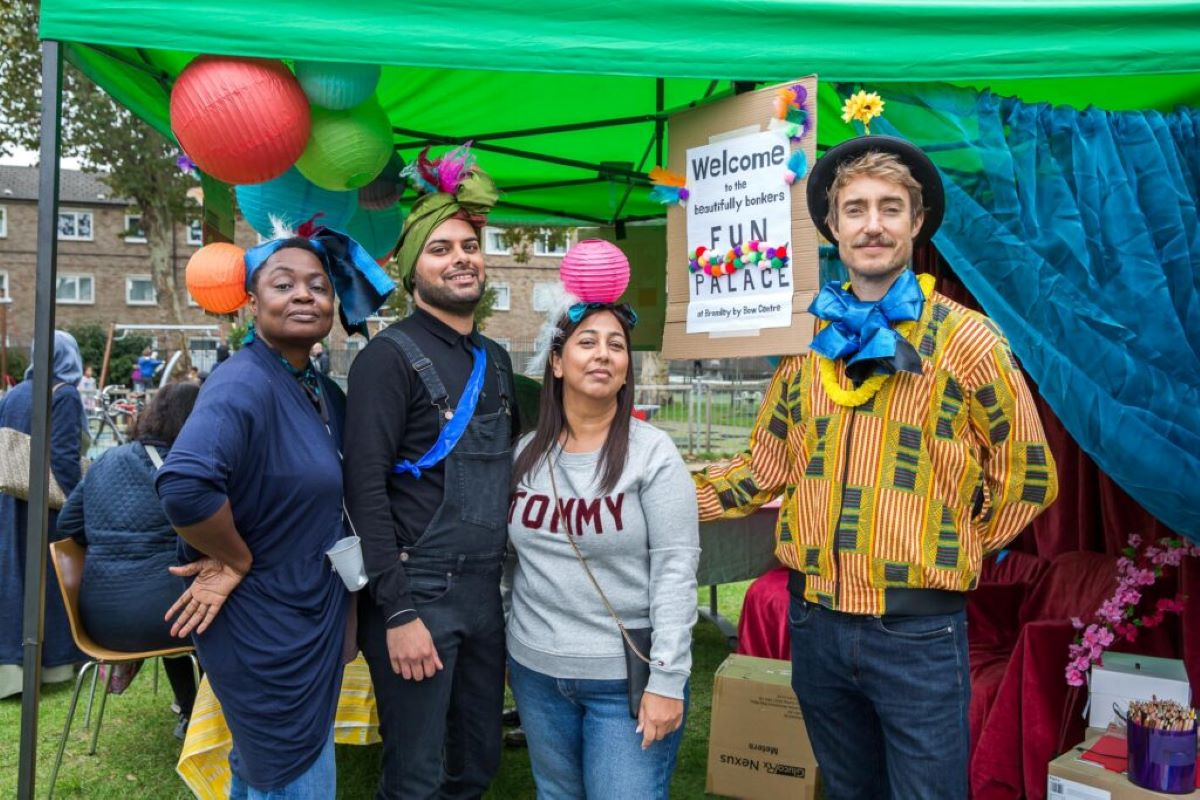
1. Vancouver Outsider Arts Festival
This is Canada’s largest festival dedicated to art created by individuals outside the mainstream art scene. The festival provides a platform for self-taught artists who may face barriers in accessing public art spaces. The program includes exhibitions, workshops, and, of course, performances by Vancouverites.
2. ‘Reframing Relations’ Project
This project helps Indigenous and non-Indigenous communities better understand each other through art. Participants create joint exhibitions, hold workshops in painting, dance, and theatre, and organize small performances to share their stories and traditions. The events take place in schools and cultural centres, where everyone can participate in creative activities and connect with people from different communities.
3. Community Arts Fund
The people behind this fund help bring vibrant cultural ideas to life in the city. They support initiatives where residents can co-create arts events, especially in neighbourhoods like the Downtown Eastside. Thanks to their involvement, interesting exhibitions, performances, and events emerge that unite the community and inspire people to be creative.
4. McBride Fieldhouse
This is another venue that constantly hosts exhibitions, workshops, and other cultural events. Here, artists can showcase their work, and visitors can participate in engaging activities, such as sculpture or painting, and, of course, chat with the artists.
5. Helm x CACV Workshop Series
This is a series of workshops where you can learn various artistic techniques, such as pottery, printmaking, or theatre practices. Participants gain practical skills, broaden their cultural horizons, and meet like-minded people.
6. Neuro-diverse Artists Collective
This collective helps neurodivergent artists unlock their talents and share their unique works with the world. Here, artists can not only exhibit paintings or installations but also participate in workshops, collaborative projects, and creative meetups. Every member feels part of a vibrant and friendly community where ideas are born and everyone inspires one another.
Environmental Initiatives and Sustainable Development in the Arts
CACV is actively committed to the environment. At the Eco-Arts Festival, artists create vibrant outdoor installations from recycled materials, and visitors can get involved in the creative process by, for example, collecting and sorting materials for the art pieces. The Means of Production Garden project combines art and gardening: local artists work with the community to create small green spaces with interactive installations. Through these, residents not only make the city more beautiful and attractive but also become more environmentally conscious themselves. CACV also supports artists who work with natural materials and organic paints, as well as projects that explore the theme of climate change and show how art can inspire people to care for the planet.